
Origins and Definition
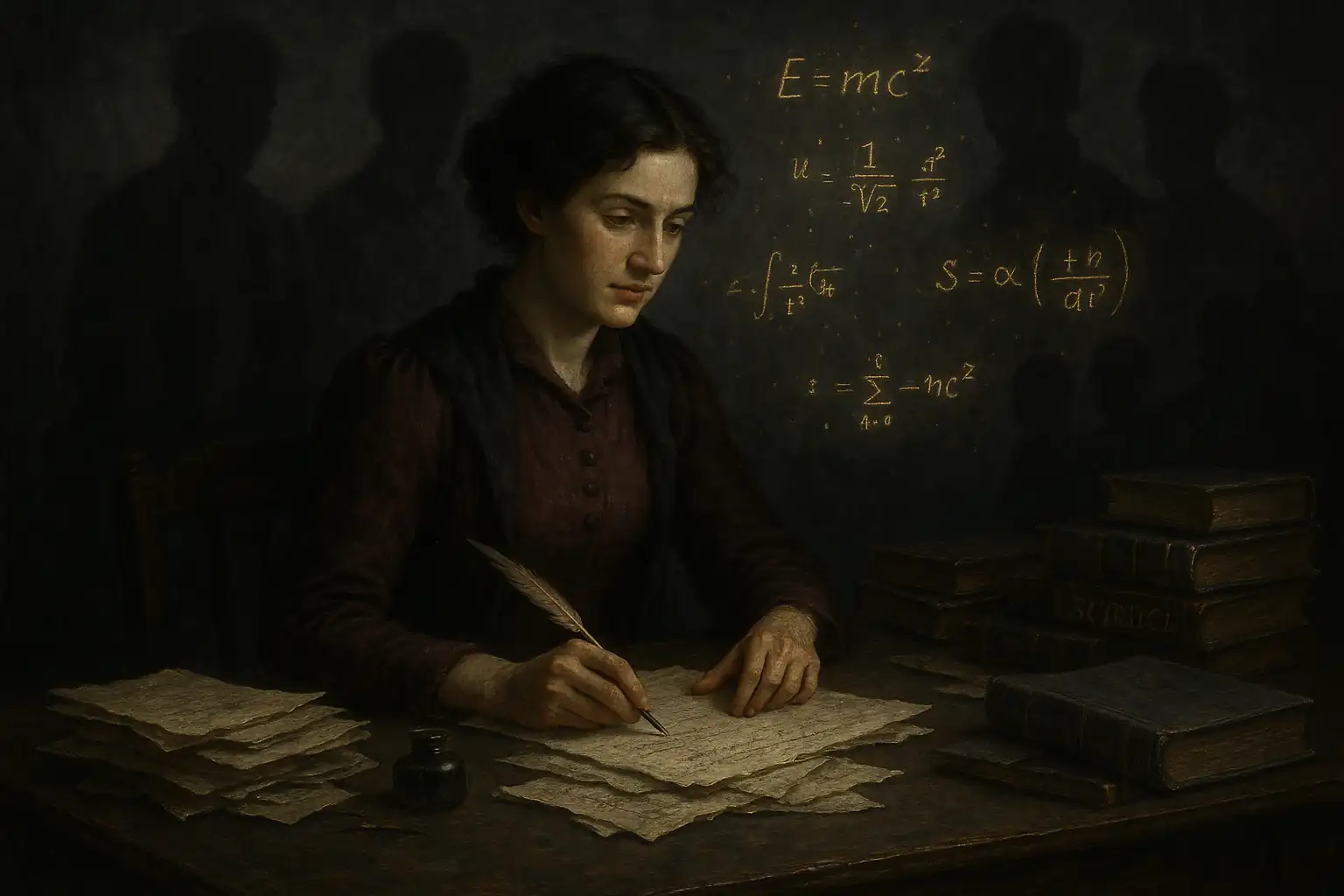
The term was popularized by historian Margaret W. Rossiter (1993), referring to the work of Matilda Joslyn Gage (19th century). It describes the systematic omission, minimization, or appropriation of women’s roles in scientific research — often in favor of a male peer.
MMechanisms
Incorrect attribution
Discoveries credited to a better-known male scientist.
Minimization
Women’s work presented as “assistance.”.
Lower Visibility
Fewer citations, less access to prestigious journals.
Institutional Barriers & Stereotypes
Limited access to positions, funding, and networks.
Why It Persists
Unconscious bias, male-dominated professional circles, and reward systems (awards, promotions) all continue to sustain this injustice today. Recent studies have shown that academic papers signed by women are systematically under-cited when the author’s gender is identifiable.
What Can Be Done
Reexamine scientific history to restore forgotten contributions.
Encourage transparency (double-blind review, responsible citation practices).
Diversify committees and raise awareness from school age. These measures are neither magical nor immediate — but step by step, they narrow the gap.